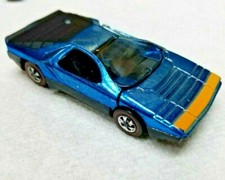
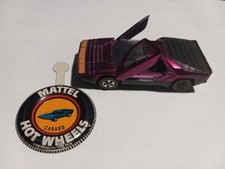
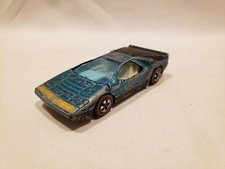
1977 Hot Wheels Redline Carabo Collector Guide
Quick Value Snapshot
The 1977 Carabo is part of the late-era Redline "Flying Colors" series. Because it was produced during the transition to Blackwall wheels, examples retaining original Redline wheels are sought after by collectors specializing in the final years of the Redline era.
| Condition |
Estimated Value Range |
| Play-Worn (Beater) |
$10 – $25 |
| Good to Fine (Minor chips, tampo wear) |
$30 – $60 |
| Near Mint to Mint (Loose) |
$75 – $150 |
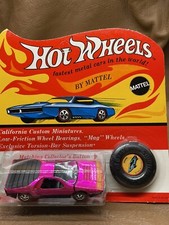
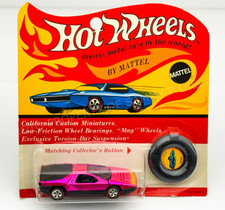
| Carded / Blister Pack (Unpunched) |
$250 – $500+ |
Collector Summary
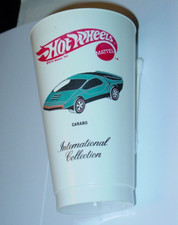
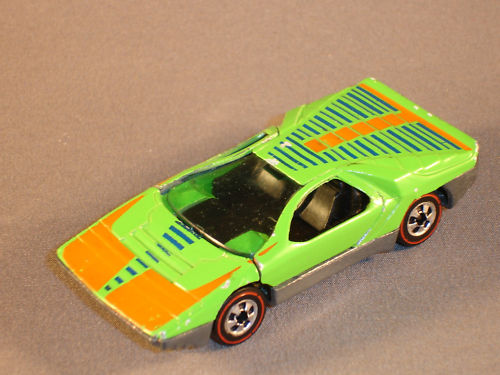
The Carabo, based on the Bertone concept car, first appeared in the 1970 Spectraflame line. By 1977, it had transitioned into the Flying Colors era, featuring enamel paint and graphic "tampos." The 1977 release is essentially a continuation of the 1974 casting and color scheme, distinguished by its light green enamel body and distinctive orange and blue striping. This year represents the final production run for this casting with Redline wheels before the brand-wide shift to Blackwall tires.
Known Variations and Details
- Body: Light Green enamel.
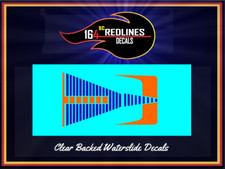
- Tampos: Orange and blue stripes located on the hood and the roof.
- Base: Unpainted metal base.
- Interior: Usually white or light grey, though variations may exist.
- Windows: Blue tinted.
- Wheels: Standard through-hole Redline wheels.
- Feature: Opening rear engine cover.
Color and Desirability Notes
Unlike the 1970 version which came in a rainbow of Spectraflame colors, the 1977 Carabo is strictly found in Light Green. Desirability is driven by the condition of the enamel and the completeness of the tampos. Because many 1977 cars were heavily played with, finding a "snow-white" interior and crisp, vibrant orange and blue stripes is the primary goal for high-end collectors.
Condition Factors That Affect Value
- Tampo Integrity: The stripes on the hood and roof are prone to rubbing and flaking. Missing sections of the tampo significantly reduce value.
- Engine Cover Hinge: The plastic rear hatch is a common point of failure. Check for cracks at the hinge or a hatch that no longer stays in the "up" position.
- Enamel Chipping: The wedge-shaped nose of the Carabo is notorious for "point-wear," where the paint chips off the sharp leading edge.
- Chrome Wear: The Redline wheels often lose their "chrome" luster, turning dull grey or white.
Restorer Notes
The 1977 Carabo is a popular candidate for "tampo-up" restorations. However, matching the specific shade of Flying Colors Light Green can be difficult for amateur restorers. Original parts like the engine cover are often swapped from the 1974 version as they are identical. Note that a car with reproduction stickers or tampos should not be sold as original.
Buyer Cautions
Be wary of "transitional" cars. As 1977 was the year Hot Wheels moved to Blackwalls, some sellers may attempt to swap wheels from a 1970 or 1974 car onto a later Blackwall body to increase value. Check the base and rivets for signs of tampering. Always verify that the orange and blue stripes are factory-applied tampos and not aftermarket water-slide decals.
Seller Notes
When listing a 1977 Carabo, high-resolution photos of the roof and hood are essential to show the condition of the graphics. If the car has the original Redline wheels, highlight this in the title, as many Carabos from this specific year are found with the later Blackwall wheels which generally command lower prices.
Pricing Analysis
Market confidence for the 1977 Carabo is moderate to high. While it does not reach the heights of the 1970 Spectraflame versions, there is a consistent "floor" for late-era Redlines.
- Sold Prices: Actual sales for loose, mint examples have remained steady, typically landing in the $100 range.
- Asking Prices: It is common to see sellers asking for $200+ for loose cars, but these often sit on the market unless the condition is absolute "Case Fresh" quality.
Listings to Exclude or Treat Carefully
- 1970/1971 Spectraflame Carabos: These are different cars and should not be used to price the 1977 enamel version.
- Blackwall Versions: Cars with all-black tires (no red circle) are later releases and typically value significantly lower.
- "Minty" Restorations: Cars that look "too perfect" but have no history should be inspected for replaced wheels or reproduction tampos.
New Collector Advice
The 1977 Carabo is an excellent entry point for collectors wanting a late-era Redline. It is distinctive, relatively easy to find in mid-grade condition, and features the classic opening part functionality that defined the era. Focus on finding one with a clean nose and intact stripes.
Advanced Collector Notes
For the completionist, the 1977 Carabo is the "final bow" for this casting in the Redline series. Advanced collectors look for "Short Card" or "Unpunched" Flying Colors blister packs. There are also subtle variations in the blue tint of the glass and the shade of the green enamel (ranging from a "warm" yellow-green to a "cool" minty green) that can be explored.
Short Page Blurb
The 1977 Hot Wheels Redline Carabo is a classic Flying Colors release, featuring a striking light green body and iconic orange and blue racing stripes. As one of the final cars to roll off the line with Redline wheels, it represents a pivotal moment in Hot Wheels history.
Disclaimer
Value guides are based on historical market data and collector knowledge. RedlinePriceGuide.com does not guarantee exact values, as the market for vintage toys fluctuates based on demand, auction timing, and individual condition assessments. Never treat toy collecting as a guaranteed financial investment.
 Total results 7