1975 Hot Wheels Redline Sand Drifter Collector Guide
Quick Value Snapshot
Values for the 1975 Sand Drifter vary significantly based on the color variation and the preservation of the tampo graphics.
| Condition |
Yellow (Common) |
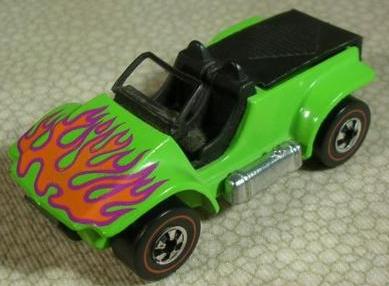
Green (Rare) |
| Mint (In Blister) |
$150 - $250 |
$400+ |
| Near Mint (Loose) |
$45 - $85 |
$150 - $250 |
| Good/Played With |
$15 - $30 |
$50 - $100 |
Collector Summary
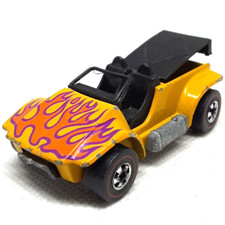
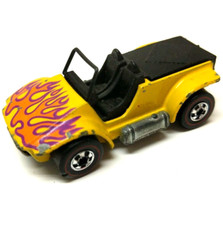
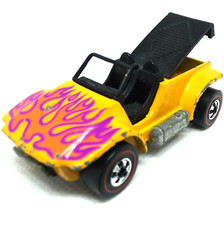
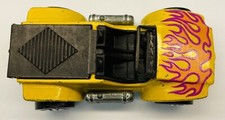
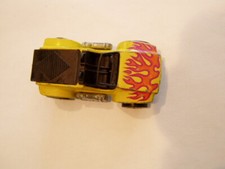
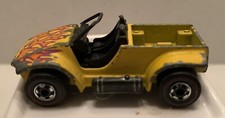
The Sand Drifter was released in 1975 as part of the Flying Colors era. It is essentially a re-issue of the 1970 Power Pad casting, but without the white plastic camper shell that originally sat over the rear bed. Produced in Hong Kong, this model features enamel paint and "tampo" printed graphics, which were standard for the mid-70s Redline transition period. It retains the rugged, off-road styling of its predecessor but presents a more "stripped-down" racing appearance.
Known Variations and Details
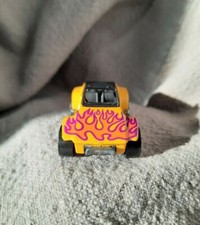
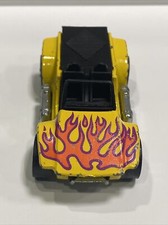
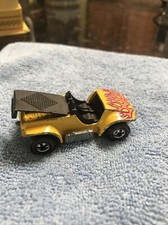
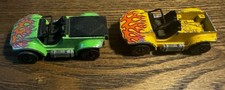
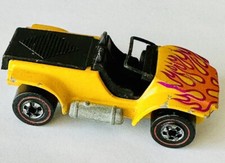
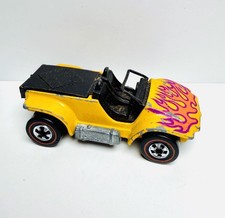
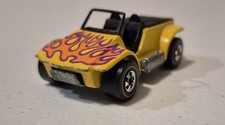
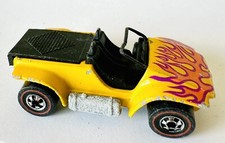
- Yellow: The standard production color. Features orange and red flame tampos on the hood and front fenders.
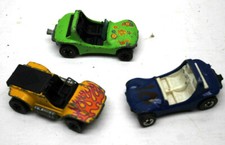
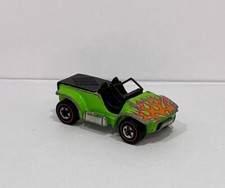
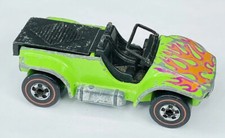
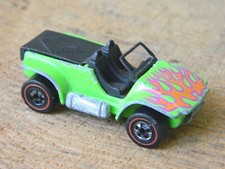
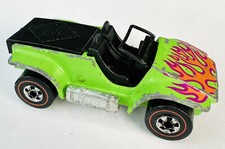
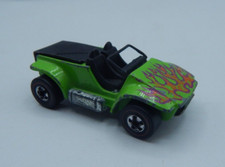
- Green: A much rarer alternate color. It features the same flame tampo design as the yellow version.
- Base: Unpainted metal base, marked "Hong Kong."
- Interior: Typically features a black interior/engine detail area.
- Wheels: Standard through-hole Redline wheels.
Color and Desirability Notes
The Yellow version is the most common and is generally considered an entry-level Redline for new collectors. The Green enamel version is significantly more difficult to find and is highly sought after by Flying Colors specialists and completionists. Because these cars used enamel paint rather than the earlier Spectraflame, the "eye appeal" relies heavily on the vibrancy of the paint and the crispness of the tampos.
Condition Factors That Affect Value
- Tampo Integrity: Because the flames are printed on the enamel, they are prone to rubbing and "road rash." A car with 100% intact flames is worth significantly more than one with fading or scratched graphics.
- Edge Wear: The protruding front fenders and the sharp edges of the truck bed are the first places to show paint chips.
- Axle Straightness: Like many 1975 models, the thin wire axles can easily bend, causing the car to sit unevenly.
- Oxidation: The unpainted Hong Kong bases are prone to "zinc pest" or dark oxidation if stored in humid environments.
Restorer Notes
Since the Sand Drifter is the same casting as the Power Pad (minus the shell), it is technically possible to "create" a Sand Drifter by removing the shell from a Power Pad. However, the 1975 Sand Drifter uses specific enamel colors and tampos not found on the 1970 Spectraflame Power Pad. Restorers should note that reproduction tampos are available, but they rarely perfectly match the thickness and hue of the original 1975 factory application.
Buyer Cautions
Watch for listings that confuse the Sand Drifter with the Power Pad. If you see a "Sand Drifter" with a white shell, it is actually a Power Pad. Conversely, if you see a "Power Pad" missing its shell, it might be a play-worn Sand Drifter or a Power Pad that lost its plastic component. Always verify the paint type (enamel vs. Spectraflame) to confirm the era.
Seller Notes
When selling a Sand Drifter, high-quality macro photography of the hood and fender tampos is essential. Buyers will pay a premium for "bright" tampos with no silvering or flaking. If the car is the Green variation, ensure the lighting is natural to distinguish it from the more common yellow version, which can sometimes look greenish under poor fluorescent light.
Pricing Analysis
The market for the Sand Drifter is relatively stable. Actual sold prices for loose, average-condition yellow examples typically fall in the $20 to $40 range. Mint, unpunched carded examples have seen realized prices over $200 in specialized auctions. Active asking prices on secondary markets often exceed $300 for carded examples, but these should be viewed as "high-end" expectations and not necessarily representative of daily market value. Confidence in the pricing for the Green variation is limited due to lower transaction frequency.
Listings to Exclude or Treat Carefully
- Shell-less Power Pads: Do not use prices from 1970 Power Pads missing their shells to value a 1975 Sand Drifter.
- Customs: Modern repaints in non-original colors (Blue, Purple, etc.) should not be used for market valuation.
- Blackwall Conversions: Later versions of similar castings with plastic "Blackwall" wheels are not Redlines and carry significantly lower value.
New Collector Advice
The 1975 Sand Drifter is an excellent way to start a Redline collection without the high cost of the 1968-1972 Spectraflame era. It is a rugged casting that displays well. Focus on finding a yellow example with at least 90% of its tampos intact; these are still affordable and provide a great example of the "Flying Colors" design language.
Advanced Collector Notes
Advanced collectors focus on the Green variation and "Top 1%" condition carded examples. Look for "Short-V" or specific manufacturing nuances in the Hong Kong base casting. A truly mint, original-owner Sand Drifter with no "toning" of the enamel is a difficult find, as the yellow paint used in this era was prone to darkening if exposed to light or environmental contaminants.
Short Page Blurb
The 1975 Sand Drifter is a classic Flying Colors era Redline. Derived from the Power Pad casting, this shell-less off-roader is famous for its vibrant yellow enamel and "wicked" flame tampos. Whether you are hunting the elusive Green variant or seeking a high-grade Yellow example, the Sand Drifter is a staple of mid-70s Hot Wheels history.
Disclaimer
Redline values are subjective and fluctuate based on market demand and platform. This guide does not guarantee specific sale prices. Always consult multiple sources and verify the authenticity of a casting before completing a high-value purchase.
 Total results 3