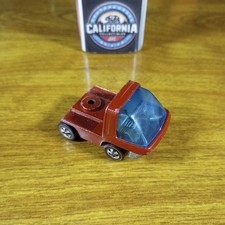
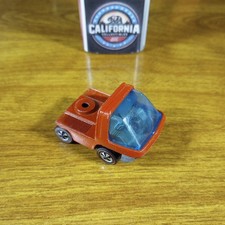
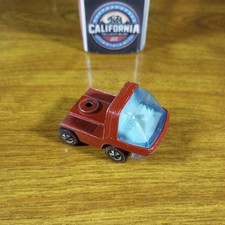
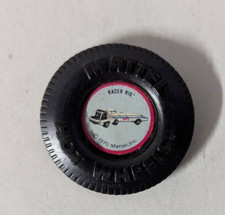
1971 Hot Wheels Redline Racer Rig Collector Guide
Quick Value Snapshot
Model: 1971 Hot Wheels Redline Racer Rig
Production: 1971 only
Country of manufacture: Hong Kong only
Designers: Ira Gilford designed the cab; Larry Wood designed the trailer
Wheels: 6 medium redline wheels
Key value drivers: original paint, complete trailer, intact retractable white plastic insert, original Hot Wheels logo decal, clean wheels, undamaged cab-to-trailer connection, and overall originality.
Pricing confidence: Limited without verified recent sold-price data. Active asking prices should not be treated as market value. Actual sold prices from correct, original examples are the best guide.
Collector Summary
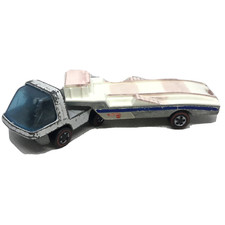
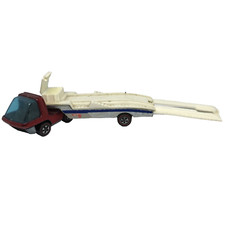
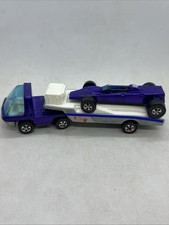
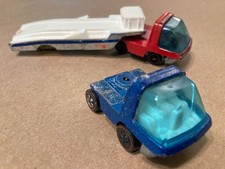
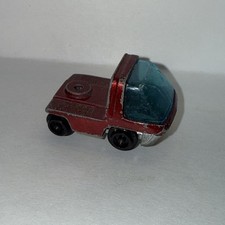
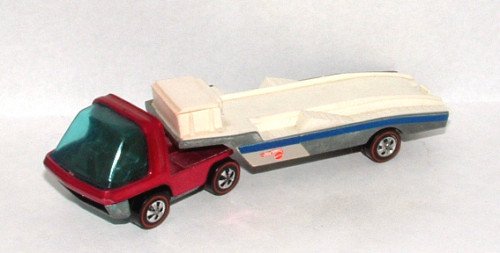
The 1971 Hot Wheels Redline Racer Rig is one of the larger Redline-era support vehicles rather than a standard passenger car casting. It was produced only in 1971 and only in Hong Kong. The model combines a metal cab with a trailer designed to carry or display other Hot Wheels vehicles. Its collector appeal comes from its one-year production run, Hong Kong-only status, size, display presence, and the fact that it was designed by two major Hot Wheels designers: Ira Gilford for the cab and Larry Wood for the trailer.
The Racer Rig is especially condition-sensitive because it has multiple components: the cab, trailer, retractable white plastic trailer section, wheels, axles, hitch area, and front trailer decal. Missing or damaged trailer parts can significantly affect desirability. Complete, original, undamaged examples are much more desirable than loose incomplete pieces.
Known Variations and Details
| Feature |
Collector Detail |
| Year |
1971 only |
| Manufacture |
Hong Kong only |
| Designers |
Cab by Ira Gilford; trailer by Larry Wood |
| Trailer |
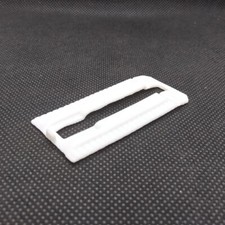
Metal front section with a retractable white plastic portion |
| Decal |
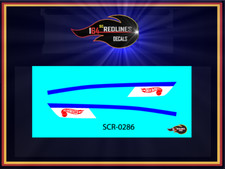
Hot Wheels logo decal on the metal front portion of the trailer |
| Wheels |
Six medium redline wheels |
Collectors should verify that the trailer is correct to the Racer Rig and that the white plastic retractable portion is present and functioning. Because the Racer Rig has more separate areas than a typical Redline car, careful inspection is important.
Color and Desirability Notes
The supplied reference data does not list multiple factory color variations for this model. Because of that, collectors should be cautious about treating unusual colors as confirmed factory variations unless supported by trusted Redline references and strong provenance.
Desirability is generally strongest for complete, original examples with clean paint, bright original redline wheels, a proper trailer, an intact retractable white plastic section, and an original Hot Wheels logo decal. Examples with missing trailer pieces, replaced decals, heavy playwear, cracked plastic, or repainted sections are typically less desirable to advanced collectors.
Condition Factors That Affect Value
- Originality: Original paint, original decal, original wheels, and original trailer components are major value factors.
- Trailer completeness: The retractable white plastic portion should be present, correct, and not badly warped, cracked, or broken.
- Decal condition: The Hot Wheels logo decal on the metal front trailer section is an important detail. Missing, worn, or reproduction decals should be disclosed.
- Paint wear: Edge wear, roof wear, chips on the cab, and wear on the trailer affect value.
- Wheel condition: Six clean medium redline wheels with good chrome and visible redlines are preferred.
- Axles and rolling quality: Bent axles, frozen wheels, replaced wheels, or mismatched wheels reduce desirability.
- Hitch and connection points: The cab and trailer connection should be checked for cracks, stress, looseness, or incorrect pairing.
- Plastic condition: The white trailer piece is a key part of the model. Damage, discoloration, or missing plastic reduces collector appeal.
- Cleaning damage: Harsh cleaning can remove decal detail, dull original finish, or damage plastic.
Restorer Notes
The Racer Rig can be challenging to restore accurately because it is not just a simple body-and-base casting. A proper restoration must account for the cab, trailer, retractable white plastic section, wheels, axles, hitch area, and decal placement.
- Preserve the original Hot Wheels logo decal if possible. Replacement decals should be clearly disclosed.
- Avoid repainting an original example unless the condition is already poor and the piece is being restored for display rather than originality.
- Do not represent a restored or repainted Racer Rig as original.
- Check the retractable plastic piece before disassembly or cleaning. Old plastic can be brittle.
- Wheel swaps, axle work, and replacement parts should be documented for future buyers.
For collector resale, a clean but worn original is often more desirable than a cosmetically improved example with undisclosed restoration.
Buyer Cautions
- Separate asking prices from sold prices: Active listings show what a seller wants, not what the market has confirmed.
- Confirm completeness: Make sure the trailer, retractable white plastic section, and decal are present and correct.
- Watch for wrong parts: Because the Racer Rig is a multi-part model, mismatched cabs, trailers, wheels, or replaced parts should be treated carefully.
- Check for reproduction decals: A fresh-looking decal on a worn model may indicate replacement.
- Inspect the hitch area: Damage or looseness can affect both display quality and value.
- Be cautious with “rare color” claims: Do not pay a premium for an unusual color unless it is documented as a legitimate factory variation.
- Avoid comparing to lots: Prices from mixed lots, accessory lots, or groupings with other Redlines are not reliable single-model value indicators.
Seller Notes
- Photograph the cab, both sides of the trailer, underside, wheels, hitch connection, decal, and retractable white plastic section.
- State whether the trailer retracts properly.
- Disclose any repainting, touch-up, replacement decals, wheel work, or missing parts.
- Do not describe the model as mint unless it is truly exceptional and free of meaningful wear.
- If using active asking prices for comparison, make clear that they are asking prices, not confirmed sale values.
- For stronger buyer confidence, compare your example to actual sold listings of correct, original Racer Rigs in similar condition.
Pricing Analysis
Pricing for the 1971 Racer Rig is highly dependent on condition and completeness. Because the model includes a trailer, retractable plastic section, decal, and six wheels, small differences in completeness can create large differences in value.
Actual sold prices: Verified sold prices from complete, original, correctly identified examples are the most useful pricing evidence. The best comparisons are loose original examples in similar condition, with clear photos showing the trailer, decal, wheels, and retractable plastic section.
Active asking prices: Active asking prices should be treated only as seller expectations. They may be too high, may remain unsold, or may include restored, incomplete, customized, or incorrectly described examples. Asking prices should not be averaged into a value estimate unless supported by completed sales.
Outliers: Strong price outliers should be evaluated separately. Unusually high prices may reflect packaging, exceptional condition, rare presentation, or seller optimism. Unusually low prices may reflect missing parts, damage, poor photos, incorrect titles, lots, or unidentified restoration. Without verified sold data, confidence in a precise value range is limited.
Listings to Exclude or Treat Carefully
- Repainted or restored Racer Rigs sold as if original
- Examples with reproduction decals unless clearly disclosed
- Incomplete examples missing the trailer or retractable white plastic piece
- Damaged examples with broken hitch areas, cracked plastic, or missing wheels
- Customs, fantasy colors, or modified trailers
- Mixed lots where the Racer Rig cannot be isolated as the main value item
- Listings with wrong-casting trailers or mismatched parts
- Listings using only active asking prices to claim value
- Poor-photo listings where the decal, wheels, and trailer condition cannot be confirmed
New Collector Advice
If you are new to Redlines, focus first on completeness and originality. The Racer Rig is larger and more complex than a standard Redline car, so it is easy to overlook missing or replaced parts. Before buying, confirm that the trailer is correct, the retractable white plastic portion is present, and the Hot Wheels logo decal is on the metal front portion of the trailer.
A lower-grade original example can still be a good collector piece if it is complete and honestly described. Avoid paying premium prices for a model with replacement parts, heavy restoration, or uncertain color claims unless that is exactly what you want for display.
Advanced Collector Notes
Advanced collectors should pay close attention to originality, decal aging, wheel consistency, and the fit between the cab and trailer. Because the Racer Rig was produced only in Hong Kong for 1971, country-of-origin consistency is important when evaluating authenticity. The model’s multi-part construction also makes it more vulnerable to part substitution than many standard Redline castings.
For high-grade examples, inspect the metal front trailer section around the decal, the retractable plastic section for stress or discoloration, and all six medium redline wheels for matching wear and axle condition. Documentation, provenance, and clear photos are especially helpful when evaluating premium examples.
Short Page Blurb
The 1971 Hot Wheels Redline Racer Rig is a Hong Kong-only, one-year Redline release with a cab designed by Ira Gilford and a trailer designed by Larry Wood. Key collector factors include originality, trailer completeness, the retractable white plastic section, the front Hot Wheels logo decal, and the condition of all six medium redline wheels.
Disclaimer
This guide is intended for collector reference only. Values can change over time and vary by condition, originality, completeness, packaging, venue, and buyer demand. Active asking prices are not the same as actual sold prices. Repaints, restorations, customs, reproduction parts, damaged examples, mixed lots, and incorrect castings should not be treated as normal market comparisons for an original 1971 Hot Wheels Redline Racer Rig.
 Total results 2