1971 Hot Wheels Redline Crew Car Collector Guide
Quick Value Snapshot
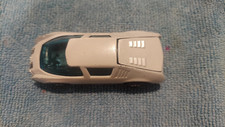
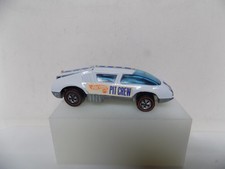
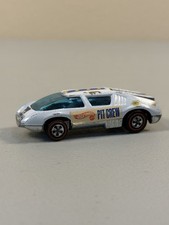
Model: 1971 Hot Wheels Redline Crew Car, also commonly referenced by collectors as the Pit Crew Car.
Production run: 1971-1972.
Country of production: Hong Kong only.
Designers: Started by Howard Rees and finished by Larry Wood.
Key value drivers: Original paint, intact opening trunk, complete tool tray detail, correct redline wheels, clean base, original decals, unused decal sheet, and verified blister-card packaging.
Pricing confidence: Limited without verified recent sold examples. Active asking prices should not be treated as market value. Actual sold prices for correct, original examples are the most useful reference.
Collector Summary
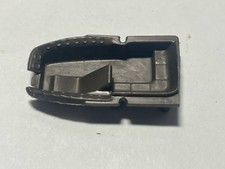
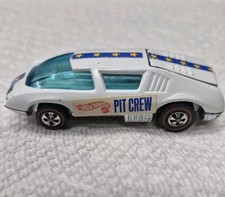
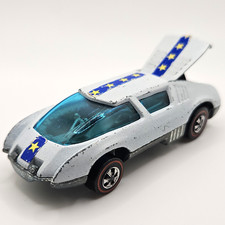
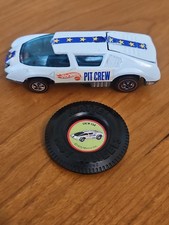
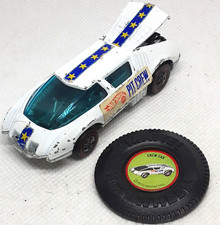
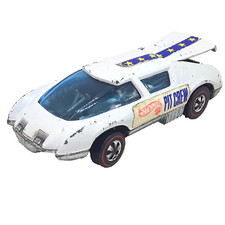
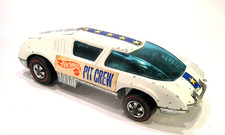
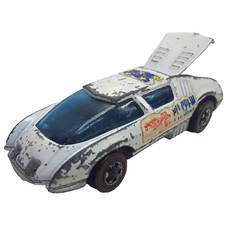
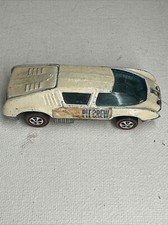
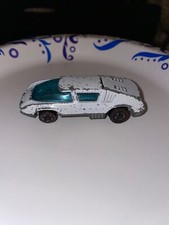
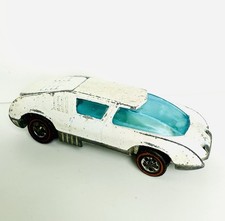
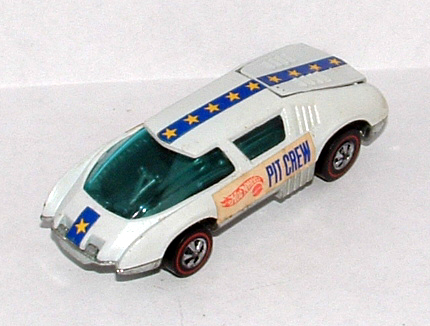
The 1971 Hot Wheels Redline Crew Car is a Hong Kong-only Redline-era casting with a distinctive opening trunk that reveals a molded tool tray. It was issued with a decal sheet that included stripes and side decals reading “Pit Crew,” which is why the model is often called the Pit Crew Car by collectors.
This casting appeals to several types of collectors: Redline completists, Hong Kong casting collectors, 1971-1972 era specialists, restorers, and collectors who focus on models with working features. The opening trunk and original decal treatment are important parts of the model’s identity.
Because applied decals, opening parts, and Hong Kong redline wheels are all condition-sensitive, this model should be evaluated carefully before buying or selling.
Known Variations and Details
| Feature |
Collector Notes |
| Official casting name |
Crew Car |
| Common collector name |
Pit Crew Car |
| Production years |
1971-1972 |
| Production location |
Hong Kong only |
| Designers |
Howard Rees and Larry Wood |
| Opening feature |
Opening trunk with visible tool tray detail |
| Decals |
Originally supplied with a decal sheet including stripes and “Pit Crew” side decals |
| Wheel setup |
2 medium redline wheels and 2 large redline wheels |
Collectors should confirm that the casting is the correct Hong Kong Crew Car and not a later custom, restoration, repaint, or incorrectly identified listing.
Color and Desirability Notes
Color desirability can vary depending on availability, condition, and collector preference. For this model, originality is especially important. A less flashy but original car with a clean trunk, correct wheels, and original decals can be more desirable than a brighter example with reproduction decals or altered parts.
When comparing color desirability, use verified sold prices for original, correct examples only. Do not compare loose worn cars, repaints, restored cars, customs, or incomplete parts cars to clean original examples.
Examples with unused original decal sheets, clean original packaging, or clearly documented provenance may sell differently from loose cars and should be treated separately.
Condition Factors That Affect Value
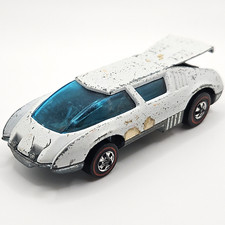
- Original paint: Paint wear, toning, edge chips, roof wear, and heavy play wear reduce desirability.
- Opening trunk: The trunk should open and close properly. Damage, looseness, breakage, or a missing trunk section is a major condition issue.
- Tool tray detail: The visible tool tray is an important feature. Check for damage, dirt, paint, or alteration.
- Decals: Original decals add appeal when clean and correctly applied. Missing, damaged, crooked, or replaced decals should be disclosed.
- Original decal sheet: An unused original decal sheet can materially change desirability and should be documented separately from the car itself.
- Redline wheels: Correct wheel sizes are important. This model uses two medium and two large redline wheels. Replaced wheels reduce originality.
- Axles: Bent axles, loose wheels, or swapped wheel sets affect both appearance and value.
- Base condition: Heavy oxidation, tool marks, base damage, or signs of disassembly should be noted.
- Packaging: Carded or blistered examples should be evaluated separately from loose cars. Packaging condition, blister clarity, cracks, lifting, and card wear matter.
Restorer Notes
The Crew Car is restorable, but restored examples should not be priced as original cars. Any repainting, wheel replacement, reproduction decals, or repaired opening trunk parts must be disclosed clearly.
Because the model’s identity depends heavily on the opening trunk, tool tray, and “Pit Crew” decal treatment, restorers should take care not to overstate restored parts as original. Reproduction decals are useful for display restorations, but they are not the same as original decals or an original unused decal sheet.
Before restoration, document the car with photos. Even a worn original example may be preferred by some collectors over a refinished car, especially if it has original decals and an intact trunk.
Buyer Cautions
- Do not rely on asking prices alone. Active listings show what sellers hope to receive, not necessarily what buyers are paying.
- Confirm the casting. Make sure the car is a genuine Hong Kong Crew Car/Pit Crew Car and not a custom or wrong-casting listing.
- Inspect the trunk. Ask for clear photos of the trunk open and closed.
- Check the tool tray. The rear opening feature should reveal the tool tray detail.
- Verify wheel sizes. The correct setup is two medium and two large redline wheels.
- Question unusually clean decals. Very fresh-looking decals on a worn car may be replacements.
- Separate loose, restored, and carded pricing. These are different markets and should not be averaged together.
- Watch for mixed lots. A lot price does not establish a clean single-car value unless the Crew Car’s individual contribution is clear.
Seller Notes
When listing a Crew Car, include clear photos of the front, rear, sides, roof, base, wheels, and the opening trunk. Photograph the trunk both open and closed. If the tool tray is visible and intact, show it clearly.
Disclose whether decals are original, reproduction, missing, damaged, or uncertain. If an unused decal sheet is included, photograph both sides if possible and describe its condition separately from the car.
Use sold prices for comparable original examples when setting expectations. Active asking prices may help show scarcity at a given moment, but they should not be presented as confirmed value.
Pricing Analysis
Pricing for the 1971 Crew Car depends heavily on originality, completeness, and condition. The most useful comparisons are actual sold prices for original Hong Kong examples with the correct wheel setup, intact opening trunk, and clearly disclosed decal status.
Active asking prices: Treat these as availability signals only. A high asking price does not prove market value, especially if the car is restored, incomplete, mislabeled, or has reproduction decals.
Actual sold prices: These are the better measure, but only when the sold example is comparable. Loose worn examples, restored examples, repaints, customs, damaged cars, and mixed lots should not be used as normal price references for clean original cars.
Outliers: Strong outliers may occur for carded examples, cars with original unused decal sheets, unusually high-grade loose examples, or listings with exceptional presentation. These should be explained separately rather than treated as the standard price level.
Because no verified sold-price dataset is supplied here, exact value guidance is limited. The safest approach is to compare only recent, clearly documented sold examples that match the car’s condition and originality.
Listings to Exclude or Treat Carefully
- Repaints or restored cars presented without clear disclosure.
- Cars with reproduction decals priced as if decals are original.
- Examples with replaced wheels or incorrect wheel sizes.
- Damaged cars with broken, missing, or non-functioning opening trunks.
- Mixed lots where the Crew Car’s individual value cannot be separated.
- Customs, fantasy builds, or altered cars.
- Wrong-casting listings using “Pit Crew” wording inaccurately.
- Parts cars being compared to complete collector-grade examples.
- Active listings with high asking prices but no evidence of sale.
New Collector Advice
If you are new to Redlines, focus first on originality and condition rather than chasing the brightest-looking example. For the Crew Car, the opening trunk, tool tray, decals, and correct redline wheels are the most important things to inspect.
Ask sellers direct questions: Does the trunk open? Is the tool tray intact? Are the decals original? Have the wheels been replaced? Is there any repainting or touch-up? A clear answer is often as important as the photos.
A worn but honest original car can be a good entry point, but do not pay clean-original prices for a restored, damaged, or incomplete example.
Advanced Collector Notes
Advanced collectors should document decal status, packaging status, wheel correctness, and trunk function carefully. Because the Crew Car was produced only in Hong Kong, base markings and Hong Kong construction traits are important authentication points.
Original decal sheets and packaging can significantly affect desirability, but they should be evaluated separately from the loose casting. A car with reproduction decals, even if well restored, belongs in a different category from an original-decal example.
For research purposes, record paint color, decal placement, wheel sizes, base condition, trunk fit, and any packaging details. Consistent documentation helps separate true casting variation from condition differences, restoration work, or seller error.
Short Page Blurb
The 1971 Hot Wheels Redline Crew Car, also known as the Pit Crew Car, is a Hong Kong-only casting produced from 1971-1972. Designed by Howard Rees and Larry Wood, it features an opening trunk with a tool tray and was issued with “Pit Crew” decals. Original paint, correct medium and large redline wheels, intact trunk function, and original decals are key factors for collectors.
Disclaimer
This guide is for collector reference only. Values can change with condition, timing, buyer demand, and the quality of available examples. Active asking prices are not the same as actual sold prices. Repaints, restorations, customs, reproduction parts, damaged examples, mixed lots, and wrong-casting listings should not be treated as normal market comparisons for original 1971 Hot Wheels Redline Crew Cars.
 Total results 4