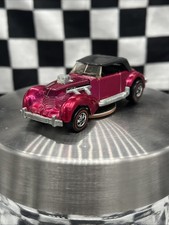
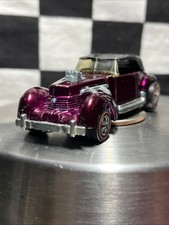
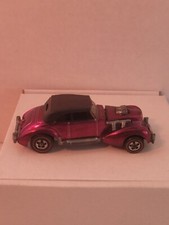
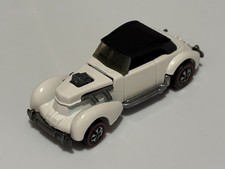
1971 Hot Wheels Redline Classic Cord Collector Guide
Quick Value Snapshot
| Category |
Collector Guidance |
| Model |
1971 Hot Wheels Redline Classic Cord |
| Designer |
Larry Wood |
| Production Run |
1971-1972 |
| Country of Production |
United States only |
| Key Completion Part |
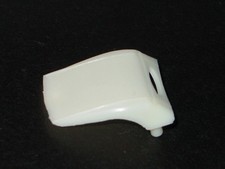
Plastic roof must be present for a complete example |
| Major Value Drivers |
Original paint, original roof, clean opening hood, intact black interior, correct Redline wheels, base condition, and absence of reproduction parts |
| Pricing Confidence |
Limited without verified recent sold examples; active asking prices should not be treated as market value |
Collector Summary
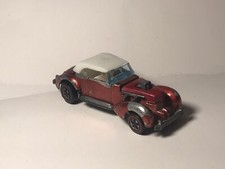
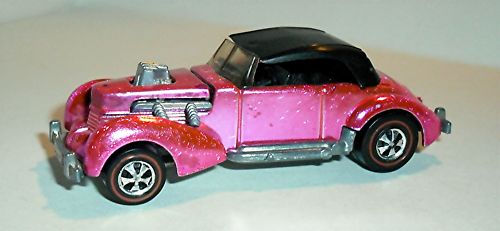
The 1971 Hot Wheels Redline Classic Cord is a U.S.-produced Redline casting designed by Larry Wood and issued during the 1971-1972 production period. It is widely regarded by collectors as one of the more desirable Redline-era castings, especially when complete, original, and clean.
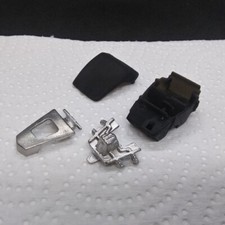
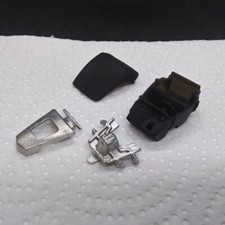
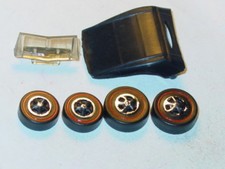
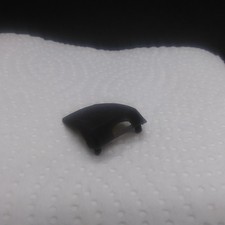
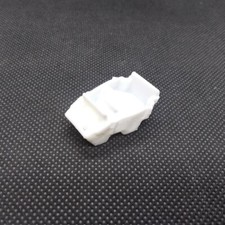
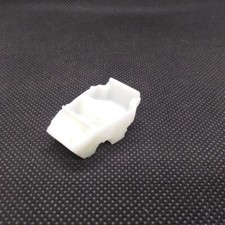
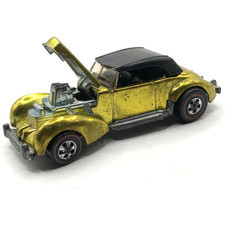
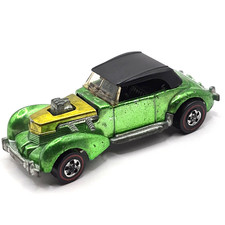
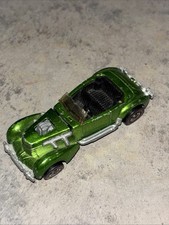
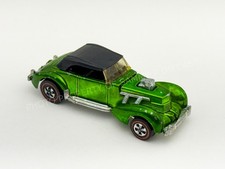
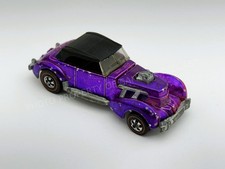
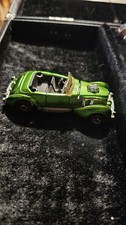
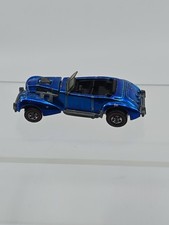
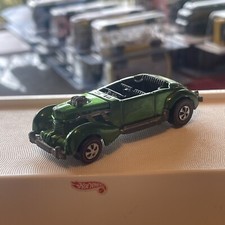
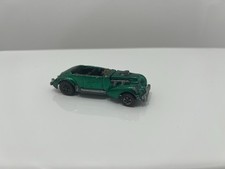
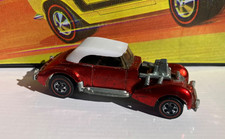
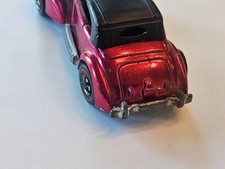
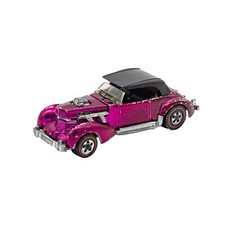
The casting features an opening hood, black interior, plastic roof, and staggered Redline wheel setup with two medium wheels and two large wheels. The plastic roof is especially important: a Classic Cord without its roof should be considered incomplete unless clearly disclosed as a parts or project car.
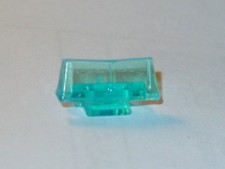
Because reproduction roofs and other replacement parts are common, authentication matters. Buyers should evaluate the car as a complete collectible only after confirming that the roof, paint, wheels, base, and interior are original or accurately disclosed.
Known Variations and Details
| Feature |
Known Detail |
| Designer |
Larry Wood |
| Production Years |
1971-1972 |
| Production Location |
United States only |
| Interior |
Black interior |
| Roof |
Plastic roof; required for the model to be complete |
| Hood |
Opening hood |
| Wheels |
Two medium Redline wheels and two large Redline wheels |
Collectors should be cautious when evaluating any claimed variation. The Classic Cord is known primarily for its U.S.-only production, plastic roof, opening hood, black interior, and staggered wheel arrangement. Because reproduction parts are plentiful, apparent variations involving roof color, fit, material, or finish should be checked carefully against trusted Redline references and known original examples.
Color and Desirability Notes
The Classic Cord was produced during the Redline era in Spectraflame-style finishes typical of the period. As with other Redline castings, color desirability can vary by scarcity, visual appeal, and how well the finish has survived. Bright, even, original color with minimal toning, oxidation, or edge wear is preferred.
Desirability is not based on color alone. A common color in near-mint original condition with its correct roof may be more desirable than a rarer color with missing parts, heavy wear, reproduction components, or restoration work. For this casting, completeness and originality are especially important because the removable plastic roof is frequently missing or replaced.
Condition Factors That Affect Value
- Original plastic roof: The roof must be present for a complete example. Original roofs are preferred over reproductions.
- Paint condition: Edge wear, hood wear, roof-contact marks, chips, toning, oxidation, and dulling all affect desirability.
- Opening hood: The hood should open and close properly, sit correctly, and show no signs of forced bending or repair.
- Interior: The correct black interior should be present, clean, and undamaged.
- Wheels: The car should have the correct staggered Redline setup: two medium wheels and two large wheels.
- Axles: Bent axles, excessive wobble, replaced axles, or wheel swaps reduce collector confidence.
- Base condition: Clean, original base metal with appropriate age is preferred. Heavy corrosion, polishing, or tool marks should be disclosed.
- Reproduction parts: Replacement roofs and other reproduction parts must be clearly identified and should not be valued the same as original parts.
- Restoration: Repainted or restored examples should be evaluated separately from original cars.
Restorer Notes
The Classic Cord is a common target for restoration because missing roofs, worn paint, and damaged wheels are frequently encountered. Restorers should document any work performed, including repainting, wheel replacement, axle work, roof replacement, interior repair, base cleaning, or hood adjustment.
A restored Classic Cord can be attractive as a display piece, but it should not be represented as an original Redline example. Replacement roofs are especially important to disclose because the roof is a required completion part and reproductions are widely available.
For restoration accuracy, pay close attention to the black interior, opening hood fit, correct wheel sizes, and appropriate Redline-style wheels. Over-polished bases, incorrect wheels, incorrect roof fit, modern paint appearance, and overly bright replacement parts can make a restored car easy to identify.
Buyer Cautions
- Do not assume the roof is original. Reproduction roofs are plentiful and may be aged or photographed in a way that makes them appear original.
- Ask for clear roof photos. Request top, side, underside, and fitment photos before buying an expensive example.
- Check the hood. A damaged or poorly fitting opening hood can significantly affect desirability.
- Verify the wheels. The correct setup is two medium and two large Redline wheels. Wheel swaps should be disclosed.
- Separate originals from restorations. Repaints, customs, and restored cars are not normal price comparisons for original examples.
- Be cautious with vague listings. Terms such as “looks original,” “from an old collection,” or “rare roof” are not proof of originality.
- Do not rely on asking prices alone. Active listings often reflect seller expectations, not actual market value.
Seller Notes
Sellers should clearly state whether the Classic Cord is original, restored, customized, repainted, repaired, or incomplete. The roof should be specifically described as original or reproduction if known. If the roof origin is unknown, say so rather than implying originality.
Useful listing photos include front, rear, both sides, top, base, hood open, hood closed, roof removed, roof installed, wheel close-ups, and interior view. Because the roof is such an important part of this casting, close-up roof photos can help reduce buyer questions and returns.
If selling an incomplete example without the roof, list it as incomplete. If selling a car with a reproduction roof, list it as a car with a reproduction roof. These examples may still sell, but they should not be compared directly to complete original cars.
Pricing Analysis
No verified sold-price dataset was supplied for this page, so pricing confidence is limited. The Classic Cord is a desirable Redline casting, but exact value depends heavily on originality, condition, color, roof authenticity, and buyer confidence.
Active asking prices: Asking prices should be treated as seller expectations only. A high asking price for a Classic Cord does not establish market value, especially if the listing has not sold, lacks clear roof photos, includes reproduction parts, or has uncertain originality.
Actual sold prices: Verified sold prices are more useful, but they must be filtered carefully. Good comparisons should be complete, original, same casting, similar condition, and clearly photographed. Sold results involving missing roofs, reproduction roofs, restored cars, repaints, customs, damaged examples, lots, or incorrect castings should be excluded or separated.
Outliers: Strong outliers may occur when a car has unusually high condition, an especially desirable color, exceptional provenance, original packaging, or unusually strong buyer competition. Outliers may also occur when a listing is misidentified, includes extra items, or is bought by a collector seeking a very specific example. Outliers should not be used as the only basis for value.
Listings to Exclude or Treat Carefully
- Examples missing the plastic roof
- Examples with reproduction roofs unless clearly priced as such
- Repainted, restored, or customized cars
- Cars with replaced wheels or incorrect wheel sizes
- Damaged cars with broken interiors, bent axles, hood problems, or heavy base corrosion
- Mixed lots where the individual value of the Classic Cord cannot be determined
- Listings with poor photos that do not show the roof, base, hood, and wheels clearly
- Wrong-casting listings or listings using “Classic Cord” keywords for unrelated models
- Unsold active listings used as if they were completed sales
New Collector Advice
If you are new to Redlines, the Classic Cord is a casting where completeness matters. Do not buy one quickly just because the car looks clean in a single photo. Confirm that the roof is present, that it fits correctly, and that the seller has not avoided discussing whether it is original.
For a first example, a complete original car with honest light wear is often a better learning piece than a questionable near-mint car with unclear roof authenticity. Study the hood fit, wheel sizes, base, interior, and roof before comparing prices.
Advanced Collector Notes
Advanced collectors should focus on originality and fine condition differences. The Classic Cord’s value can change substantially based on roof authenticity, paint brightness, hood alignment, and wheel correctness. Original cars with clean paint, correct staggered Redline wheels, intact black interiors, and verified original roofs are the strongest examples.
Because reproduction parts are common, provenance and photographic documentation are useful. When comparing high-grade examples, separate true original cars from restored or improved cars. Pay close attention to roof texture, fit, aging, and consistency with the rest of the car.
Short Page Blurb
The 1971 Hot Wheels Redline Classic Cord is a Larry Wood-designed, U.S.-only Redline casting produced from 1971 to 1972. It features an opening hood, black interior, plastic roof, and staggered medium and large Redline wheels. Complete original examples are strongly preferred, and buyers should be especially cautious of missing or reproduction roofs.
Disclaimer
This guide is for collector reference only. Values can change over time and depend on condition, originality, color, completeness, and current buyer demand. Active asking prices are not the same as actual sold prices. Repaints, restorations, reproduction parts, damaged cars, incomplete examples, lots, and incorrect listings should not be treated as normal market comparisons for complete original examples.
 Total results 21