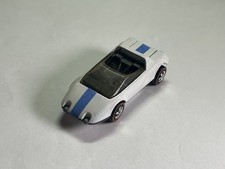
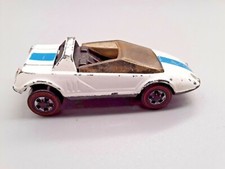
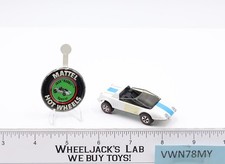
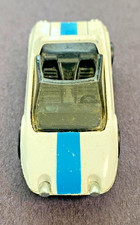
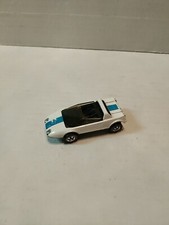
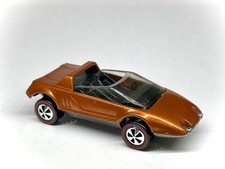
1970 Hot Wheels Redline Jack Rabbit Collector Guide
Quick Value Snapshot
| Category |
Collector Notes |
Pricing Confidence |
| Loose standard-line Jack Rabbit |
Value depends heavily on original paint, wheel condition, base condition, glass/interior condition, and whether all parts are correct. |
Limited without verified sold-price data. |
| Jack in the Box promotional version |
Examples with original JIB decals, baggie, or blistercard should be evaluated separately from standard loose cars. |
Limited; packaging and decal originality can create large differences. |
| Restored, repainted, or reproduction-decal examples |
Should not be priced as original redline examples. Useful to restorers or display collectors, but not normal market comparables. |
Separate category only. |
| Damaged or incomplete examples |
Missing parts, heavy paint loss, axle damage, incorrect wheels, or replaced decals reduce collector value. |
Highly condition-dependent. |
Collector Summary
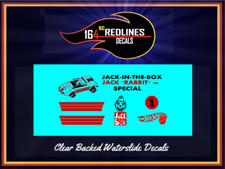
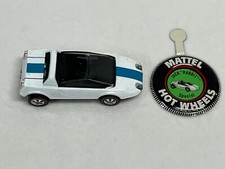
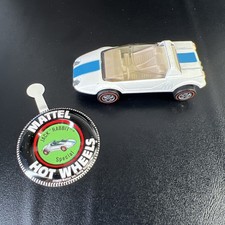
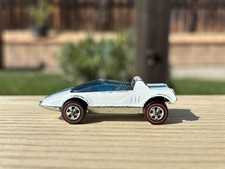
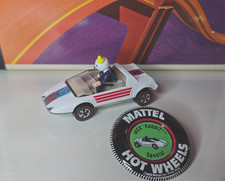
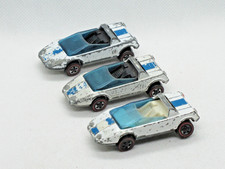
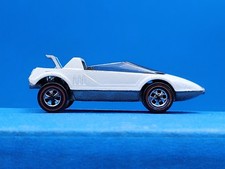
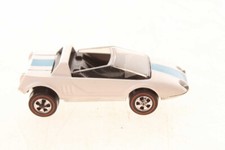
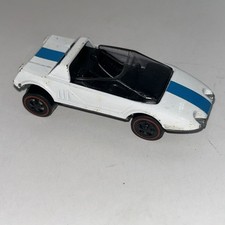
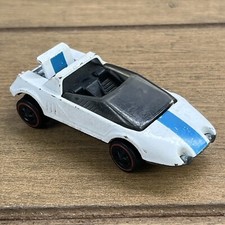
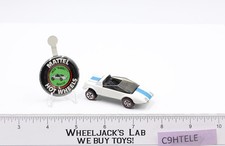
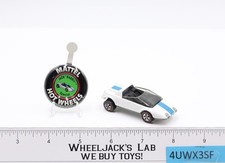
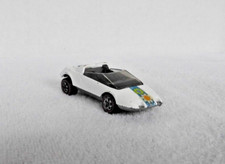
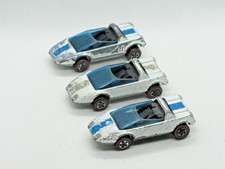
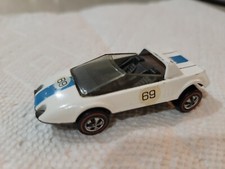
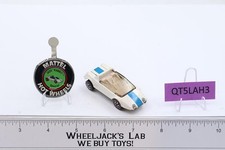
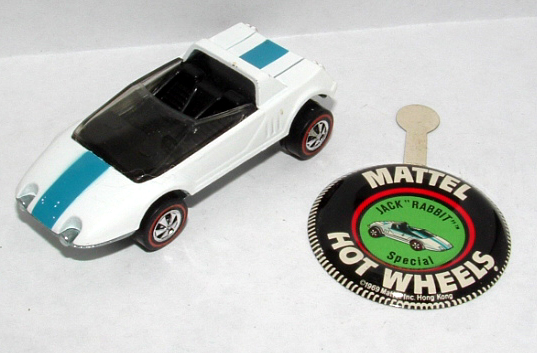
The 1970 Hot Wheels Redline Jack Rabbit, also referred to in collector notes as the Jack “Rabbit” Special, is a Larry Wood design produced during the 1970-1971 Redline era. It is especially notable because of its connection to the Jack in the Box restaurant chain. Promotional examples could be found with special JIB decals, including in baggie and blistercard formats. The standard-line Jack Rabbit did not come with those decals.
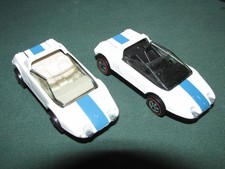
For collectors, the most important distinction is between a standard production Jack Rabbit and a Jack in the Box promotional example. A loose standard car with later-added decals should not be valued the same as an original promotional piece with credible decal and packaging history.
Known Variations and Details
| Detail |
Information |
| Model |
Jack “Rabbit” Special / Jack Rabbit |
| Designer |
Larry Wood |
| Production run |
1970-1971 |
| Wheel configuration |
4 medium redline wheels |
| Promotional connection |
Associated with Jack in the Box promotional decals on specific promotional examples. |
| Standard-line decal status |
The standard-line Jack Rabbit did not come with JIB decals. |
Collectors should document whether an example is a standard release, a promotional piece, or a standard car with decals added later. This distinction affects both desirability and pricing comparisons.
Color and Desirability Notes
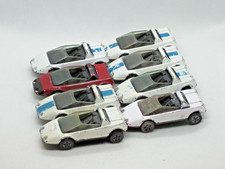
As with most original Hot Wheels Redlines, desirability is influenced by color, paint freshness, toning, evenness of Spectraflame finish, and overall eye appeal. Strong, clean original paint generally brings more interest than dull, heavily toned, oxidized, or chipped examples.
For the Jack Rabbit, originality is especially important when decals are present. Original Jack in the Box decals on the correct promotional issue are more significant than reproduction decals added to a standard car. Because the supplied data does not include a verified color rarity chart or sold-price breakdown by color, any exact color ranking should be treated cautiously unless confirmed against specialized Redline references and actual sold results.
Condition Factors That Affect Value
- Original paint: Chips, scratches, fading, toning, and corrosion all affect collector value.
- Decal originality: JIB decals must be judged carefully. Reproduction or later-applied decals should be disclosed and valued separately.
- Wheels: The casting is noted with four medium redline wheels. Check for correct wheels, straight axles, clean chrome, and intact redlines.
- Base condition: Look for corrosion, heavy wear, polishing, axle damage, or evidence of tampering.
- Completeness: Missing, replaced, or altered components reduce originality.
- Packaging: Baggie or blistercard examples tied to the Jack in the Box promotion should be evaluated separately from loose cars.
- Provenance: Clear ownership history, original packaging, or credible documentation can help support a promotional attribution.
Restorer Notes
The Jack Rabbit is a restoration candidate when paint is heavily damaged, wheels are worn, or parts are incomplete. However, restored examples should always be described as restored. Repainted cars, replacement wheels, reproduction decals, and touched-up details are not equivalent to original Redline examples.
Restorers should pay special attention to the correct wheel size, axle fit, and decal disclosure. If Jack in the Box decals are reproduced or newly applied, they should be clearly identified as reproduction decals. A restored standard car with reproduction JIB decals should not be represented as an original promotional issue.
Buyer Cautions
- Do not assume decals prove a promotional car. The standard-line Jack Rabbit did not come with JIB decals, and decals can be added later.
- Separate packaging premiums from loose-car value. A baggie or blistercard promotional example is not a direct price comparison for a loose standard car.
- Ask for clear photos. Request top, base, wheels, axle areas, decals, and close-ups of paint wear.
- Watch for reproduction decals. They may look clean and appealing but should reduce the item’s value relative to an original promotional example.
- Check casting accuracy. Avoid using wrong-casting listings or mislabeled cars as pricing evidence.
- Do not treat asking prices as market value. Active listings show seller expectations, not confirmed buyer behavior.
Seller Notes
When selling a 1970 Jack Rabbit, describe whether it is a standard loose car, a Jack in the Box promotional example, a restored piece, or a custom. Include clear photos of the base, wheels, decals, and all visible paint flaws. If the decals are reproduction, later-applied, or uncertain, state that clearly.
For stronger buyer confidence, avoid vague claims such as “rare promo” unless the car has original packaging, credible provenance, or other evidence supporting the promotional attribution. Honest condition grading and clear disclosure usually lead to fewer disputes.
Pricing Analysis
No verified sold-price dataset was supplied for this page, so pricing confidence is limited. The Jack Rabbit should be priced using actual sold results whenever possible, not active asking prices. Active asking prices can show what sellers hope to receive, but they do not establish market value unless buyers are actually completing purchases at those levels.
When analyzing prices, separate the following categories:
- Loose original standard-line Jack Rabbit examples.
- Original Jack in the Box promotional examples with decals.
- Baggie or blistercard promotional examples.
- Restored, repainted, custom, or reproduction-decal examples.
- Damaged, incomplete, or parts-only examples.
Strong outliers should be reviewed carefully. A high result may reflect original promotional packaging, exceptional condition, a scarce color, or multiple bidders specifically seeking a Jack in the Box version. A low result may reflect damage, poor photos, replaced parts, reproduction decals, missing components, or a listing that was misidentified. Neither high asking prices nor isolated outliers should be used as the normal value for the casting.
Listings to Exclude or Treat Carefully
- Active asking prices: Useful for observing supply, but not proof of value.
- Lots: Multi-car lots make it hard to isolate the Jack Rabbit’s individual value.
- Repaints and restorations: These belong in a separate pricing category.
- Customs: Custom paint, fantasy decals, and modified wheels should not be used as original Redline comparables.
- Reproduction decals: Especially important for Jack in the Box examples.
- Damaged examples: Heavy paint loss, broken parts, axle damage, or missing pieces can strongly reduce price.
- Wrong-casting or mislabeled listings: Do not use them as market data.
- Unverified promotional claims: A standard car with added JIB decals is not the same as a documented original promotional issue.
New Collector Advice
If you are new to Redlines, start by learning the difference between a standard Jack Rabbit and the Jack in the Box promotional version. The decals are the key point of confusion. The standard-line car did not come with JIB decals, so a loose car with decals needs careful evaluation.
Buy the best original-condition example you can comfortably justify, and compare only similar examples. Do not compare a loose chipped standard car to a packaged promotional piece. Also avoid relying on the highest active listing you can find; completed sold results are more useful than asking prices.
Advanced Collector Notes
Advanced collectors should focus on attribution, originality, and documentation. For promotional examples, the strongest pieces are those with credible original JIB decals and, when present, correct baggie or blistercard context. Decal condition, placement, aging, and consistency with the rest of the car should all be considered.
Because reproduction decals and restored examples can appear attractive in photos, advanced buyers should request close-up images and compare details against known original references. Packaging condition should be evaluated separately from the car itself, and any premium assigned to packaging should not be transferred to ordinary loose examples.
Short Page Blurb
The 1970 Hot Wheels Redline Jack Rabbit is a Larry Wood design produced from 1970-1971 and is noted for its Jack in the Box promotional connection. Standard-line cars did not include JIB decals, while promotional examples may be found with special decals in baggie or blistercard form. Originality, condition, decal authenticity, and packaging are the main factors collectors should evaluate.
Disclaimer
Values for vintage Hot Wheels Redlines are not exact and can change with condition, color, originality, timing, and buyer demand. This guide does not guarantee a specific price. Use verified sold results, not active asking prices, and separate original cars from restored, repainted, custom, damaged, or reproduction-part examples.
 Total results 4