1970 Hot Wheels Redline Heavy Chevy Collector Guide
Quick Value Snapshot
| Category |
Collector Guidance |
| Model |
1970 Hot Wheels Redline Heavy Chevy |
| Series |
Spoilers Series |
| Designer |
Ira Gilford |
| Production Run |
1970-1972 |
| Country of Production |
Hong Kong only |
| Wheels |
2 medium, 2 large redline wheels |
| Value Confidence |
Limited without confirmed sold-price data for specific color, condition, decal, and packaging combinations |
| Active Asking Prices |
Should be treated as seller expectations only, not market value |
| Actual Sold Prices |
Best used when they are for original, correctly identified, non-restored examples in comparable condition |
Collector Summary
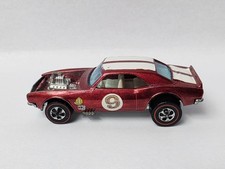
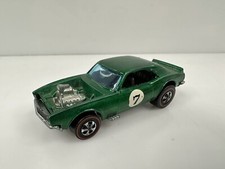
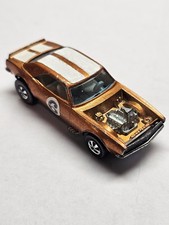
The 1970 Hot Wheels Redline Heavy Chevy is a Hong Kong-only Spoilers Series casting designed by Ira Gilford and produced from 1970 through 1972. It is closely associated with the Camaro-based Redline family and remains a popular casting with both general Redline collectors and collectors focused on muscle car-style Hot Wheels.
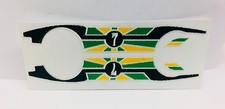
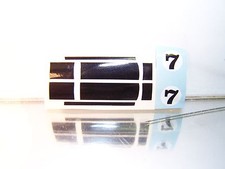
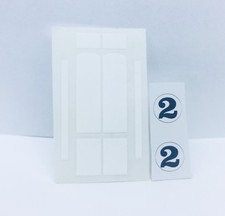
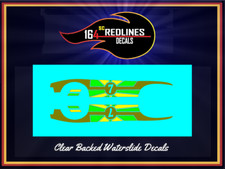
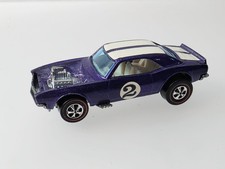
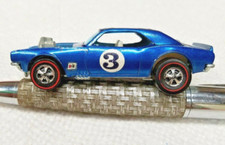
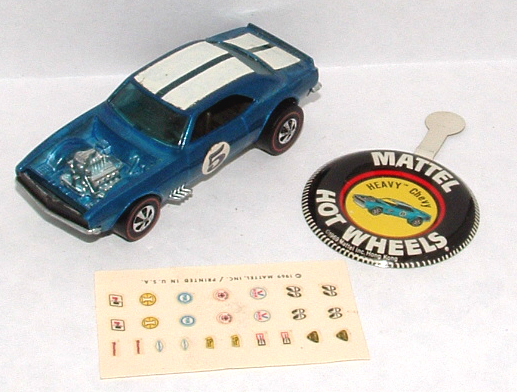
The Heavy Chevy is known for its aggressive Spoilers Series look, staggered wheel setup with medium front and large rear redline wheels, and race-themed number and sponsor decals. It was issued with various numbers from 1 through 9 and a decal sheet with assorted sponsor markings. Because decals were often applied by children or later collectors, decal placement and completeness can vary widely.
Collectors should evaluate the Heavy Chevy by originality, paint condition, decal authenticity, wheel condition, base condition, and whether the car is a true Hong Kong Heavy Chevy rather than a repaint, restoration, custom, or misidentified Camaro-related casting.
Known Variations and Details
- Designer: Ira Gilford.
- Production years: 1970-1972.
- Series: Spoilers Series.
- Manufacturing origin: Produced only in Hong Kong.
- Wheel setup: 2 medium redline wheels and 2 large redline wheels.
- Decals: Found with numbers 1-9 and sponsor-style decals from the included decal sheet.
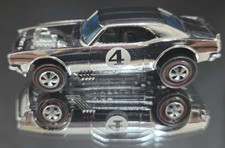
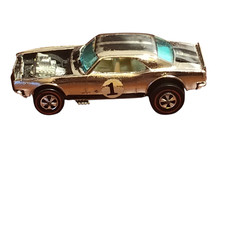
- Over-chrome examples: Some examples are found painted over chrome, as excess chrome club cars were reportedly put to use.
- Collector appeal: Popular partly because of its connection to the Camaro-style Redline family.
Color and Desirability Notes
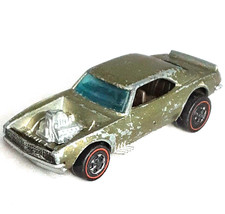
As with most original Redline-era Hot Wheels, color, paint type, and condition are major value factors. Bright, original Spectraflame-style finishes with strong shine, even coverage, and minimal toning are generally more desirable than heavily worn or dull examples. However, desirability depends on the exact color, the survival rate of that color, and whether the car is unquestionably original.
Over-chrome painted examples require careful inspection. Paint chips may reveal chrome underneath, and these cars can be legitimate production-related examples rather than later customs. However, because chrome underlayers and repaints can be confusing, buyers should examine the finish, wear pattern, rivets, decals, and overall consistency before paying a premium.
Decal condition also affects desirability. A clean original car with appropriate period decals can be more appealing than a car with missing, damaged, crooked, or replaced decals. However, decals alone should not be used to authenticate the car, since decal sheets were included and decals may have been applied long after the car was new.
Condition Factors That Affect Value
- Original paint: Original factory paint is preferred over repaints or restored finishes.
- Paint wear: Edge chips, roof wear, side wear, hood wear, toning, fading, and corrosion all affect value.
- Chrome showing through: On over-chrome examples, chrome under chipped paint may be normal, but it still needs to be evaluated for originality.
- Decals: Original, period-correct decals in good condition can help presentation. Reproduction decals should be disclosed.
- Wheels: Correct medium front and large rear redline wheels matter. Bent axles, missing redlines, replaced wheels, or incorrect wheel sizes reduce collector confidence.
- Base: The base should be consistent with a Hong Kong-produced Heavy Chevy. Heavy oxidation, scratches, or tool marks can affect value.
- Rivets: Factory rivets are important. Drilled, spun, altered, or replaced rivets usually indicate restoration or customization.
- Glass and interior: Cracked glass, cloudy plastic, loose interiors, or missing parts lower desirability.
- Packaging: Original packaging, when present and authentic, changes the pricing conversation and should be evaluated separately from loose examples.
Restorer Notes
The Heavy Chevy is a popular restoration candidate because worn examples are relatively easier to find than truly high-grade originals. Restorers should document all work clearly, especially paint stripping, repainting, wheel replacement, axle repair, decal replacement, and base polishing.
When restoring an over-chrome-type example, take special care before stripping the car. Chrome-under-paint examples can be of collector interest, and removing original paint may eliminate important evidence. If the car has original paint over chrome, it may be better preserved as-is, even with visible wear.
Replacement decals and wheels are useful for display restorations, but they should never be represented as original. Restored Heavy Chevys can be attractive display pieces, but they should be priced and described separately from original examples.
Buyer Cautions
- Do not treat asking prices as market value. Active listings show what a seller hopes to receive, not what buyers have actually paid.
- Confirm sold prices. Use completed sales of comparable original examples whenever possible.
- Watch for repaints. The Heavy Chevy is commonly restored, and a glossy finish alone does not prove originality.
- Inspect rivets. Drilled or altered rivets are a major sign of restoration, customization, or parts swapping.
- Verify wheel setup. The correct setup is 2 medium and 2 large redline wheels.
- Be cautious with decals. Decals may be original, later-applied from old sheets, reproduction, or incorrect.
- Separate over-chrome originals from customs. Chrome showing under paint can be legitimate, but it can also be confused with later work.
- Avoid wrong-casting comparisons. Camaro-related Redline castings can be confused by new collectors; make sure the listing is actually for a Heavy Chevy.
Seller Notes
When selling a 1970 Redline Heavy Chevy, clear photos and accurate disclosure are essential. Show the top, both sides, front, rear, base, wheels, rivets, decals, and any chipped areas where the underlayer is visible. If the car appears to be painted over chrome, state that clearly and provide close-up photos.
Do not price solely from active asking prices. Compare against actual sold examples that match the car’s condition, originality, color, decals, and packaging status. Restored cars, customs, lots, damaged examples, and cars with reproduction parts should not be used as normal value comparisons for original examples.
If the car has replacement wheels, reproduction decals, touched-up paint, polished base work, or altered rivets, disclose that information. Accurate descriptions usually attract more serious Redline buyers and reduce return disputes.
Pricing Analysis
No specific verified sold-price records were supplied for this page, so exact value confidence is limited. The Heavy Chevy is a recognized and popular Redline casting, but its value can vary substantially based on color, originality, condition, decal state, and whether it is loose or packaged.
Active asking prices should be viewed only as asking prices. Some sellers list Redlines at aspirational levels, especially when the car has a desirable color, clean decals, or appears unusually bright. Those prices do not prove market value unless comparable examples actually sell.
Actual sold prices are more useful, but only when the comparison is appropriate. A loose original Heavy Chevy with factory paint should not be compared directly with a restored car, a custom, a damaged example, a mixed lot, a reproduction-decal car, or a packaged example. Packaging, especially if authentic and condition-matched, can create a different value category.
Strong outliers should be handled separately. A very high sale may reflect exceptional condition, rare color, strong packaging, buyer urgency, or unusual bidding behavior. A very low sale may reflect poor photos, hidden damage, repaint concerns, missing parts, incorrect identification, or a bulk-lot discount. Neither type of outlier should be used alone to establish a normal market range.
Listings to Exclude or Treat Carefully
- Repainted or fully restored Heavy Chevys.
- Custom builds using Heavy Chevy bodies or parts.
- Cars with reproduction decals unless clearly priced as such.
- Cars with replaced wheels or incorrect wheel sizes.
- Examples with drilled, altered, or repaired rivets.
- Damaged cars with broken glass, missing interiors, bent axles, or major corrosion.
- Mixed lots where the Heavy Chevy’s individual value cannot be separated clearly.
- Wrong-casting listings using Camaro-related names incorrectly.
- Unverified over-chrome claims without clear photos.
- Active unsold listings presented as proof of value.
New Collector Advice
If you are new to Redlines, focus first on originality and condition rather than chasing the highest-looking price online. Learn the correct Hong Kong-only identity of the Heavy Chevy, the medium-front and large-rear wheel setup, and the difference between original paint, repaint, and restoration work.
Before buying, compare several examples. Look closely at the rivets, base, paint wear, decals, and wheels. A worn but honest original may be a better reference piece than a shiny restored car sold without disclosure.
Be especially careful with decals. The Heavy Chevy came with racing numbers and sponsor decals, but decal presence does not automatically make an example more original. Decals can be moved, replaced, or added later.
Advanced Collector Notes
Advanced collectors should pay close attention to paint layer evidence, especially on possible over-chrome examples. Consistent age, natural edge wear, appropriate oxidation, and undisturbed rivets are important indicators. Because excess chrome club car bodies were reportedly used, legitimate painted-over-chrome examples can exist, but each car should be judged individually.
For high-grade examples, small differences in paint brightness, toning, decal survival, and wheel condition can have an outsized effect on desirability. Advanced buyers should also separate true condition rarity from simple seller claims. Strong documentation, clear photos, and comparable sold examples are more reliable than broad descriptions such as “rare” or “mint.”
Packaged Heavy Chevys, if encountered, should be evaluated in a separate category from loose cars. Packaging authenticity, blister condition, card condition, and whether the car inside matches the packaging all need careful review.
Short Page Blurb
The 1970 Hot Wheels Redline Heavy Chevy is a Hong Kong-only Spoilers Series casting designed by Ira Gilford and produced from 1970-1972. Known for its Camaro-inspired appeal, staggered redline wheels, and racing decal options, it remains a popular Redline model. Values depend heavily on originality, color, condition, decals, and correct wheels, with restored and over-chrome examples requiring careful evaluation.
Disclaimer
This guide is for collector reference only. Values can change over time and depend on condition, originality, color, decals, packaging, buyer demand, and the quality of available comparable sales. Active asking prices are not the same as actual sold prices. Repaints, restorations, customs, reproduction parts, damaged examples, mixed lots, and wrong-casting listings should not be treated as normal price examples for original 1970 Hot Wheels Redline Heavy Chevy cars.
 Total results 13