1970 Hot Wheels Redline Fire Engine Collector Guide
Quick Value Snapshot
Model: 1970 Hot Wheels Redline Fire Engine
Series: Heavyweights Series
Designer: Ira Gilford
Production run: 1970-1972
Country of production: Hong Kong only
Wheel/base information: 6 medium redline wheels
Value confidence: Limited without verified recent sold-price data. Condition, originality, decals, completeness, and box/blister status are the main value drivers.
Important pricing note: Active asking prices should not be treated as market value. Actual sold prices are more useful, but damaged examples, repaints, customs, restored pieces, reproduction parts, mixed lots, and incorrect listings should be excluded from normal value comparisons.
Collector Summary
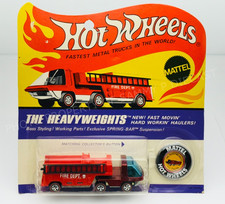
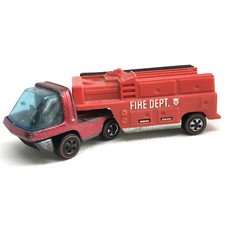
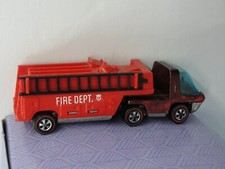
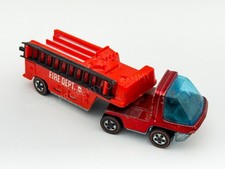
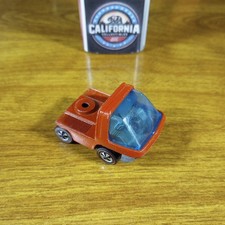
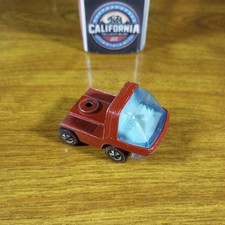
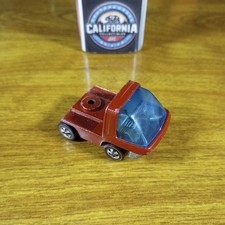
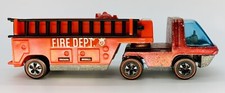
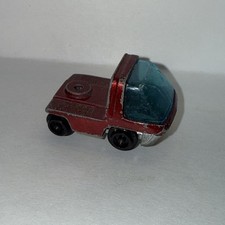
The 1970 Hot Wheels Redline Fire Engine is part of the Heavyweights Series and was produced from 1970 through 1972. It was designed by Ira Gilford and was produced only in Hong Kong. Within the Heavyweights lineup, the Fire Engine is notable for using the shorter “stubby” truck cab while still being the longest casting in the series because of its extended fire-engine trailer.
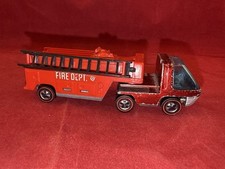
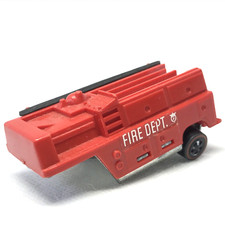
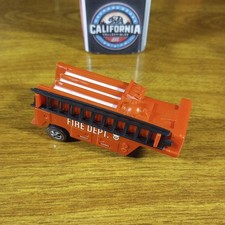
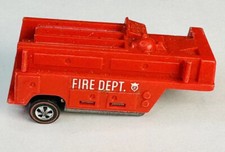
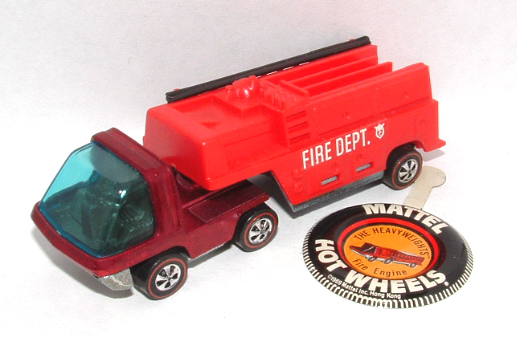
The model consists of a truck cab paired with a red plastic trailer. The trailer carries a “Fire Dept.” decal with a small shield. The casting uses six medium redline wheels, which is an important authentication and condition point for collectors.
For collectors, the Fire Engine is valued most when it is complete, original, clean, and retains strong decals. The trailer and decal condition are especially important because many surviving examples show play wear, decal loss, or mismatched parts.
Known Variations and Details
| Feature |
Known Detail |
| Series |
Heavyweights Series |
| Designer |
Ira Gilford |
| Production years |
1970-1972 |
| Production location |
Hong Kong only |
| Cab type |
Stubby-sized Heavyweights truck cab |
| Trailer |
Red plastic fire-engine trailer |
| Decal |
“Fire Dept.” decal with small shield |
| Wheels |
Six medium redline wheels |
| Length note |
Longest model in the Heavyweights Series |
Known collector attention should be placed on originality of the cab, trailer, wheels, decals, and coupling. Because Heavyweights models are multi-piece vehicles, mismatched parts can occur and should be checked carefully.
Color and Desirability Notes
The Fire Engine is strongly associated with its red fire-truck presentation: a red cab with a red plastic trailer and “Fire Dept.” decal. Unlike some Spectraflame-era Redline cars where color rarity is a major factor, this model’s desirability is more strongly tied to completeness, decal quality, wheel condition, and originality.
Examples with clean original paint, bright red plastic, intact decals, straight wheels, and no trailer damage are more desirable than worn or incomplete examples. Boxed or blistered examples, when confirmed original, should be evaluated separately from loose examples.
Condition Factors That Affect Value
- Original decals: The “Fire Dept.” decal and shield are major visual and value factors. Missing, torn, stained, or reproduction decals reduce collector confidence.
- Trailer condition: Check the red plastic trailer for cracks, warping, stress marks, discoloration, broken attachment points, or missing parts.
- Cab paint: Edge wear, roof wear, chips, scratches, and repainting are important deductions.
- Wheel condition: The model should have six medium redline wheels. Bent axles, cracked wheels, missing redlines, or replacement wheels affect value.
- Coupling and fit: The cab and trailer should connect properly. Loose, modified, or mismatched connections should be noted.
- Completeness: A complete, correct Fire Engine is worth more than a cab-only, trailer-only, or mismatched example.
- Base and casting originality: Look for correct Hong Kong characteristics and avoid wrong-casting assemblies.
- Packaging: Original packaging, if present, can add value, but only if it is authentic and correctly matched to the model.
Restorer Notes
The Fire Engine is restorable, but restored examples should be valued separately from original examples. Repainted cabs, reproduction decals, replacement wheels, and repaired trailers may make a model display better, but they do not represent the same market category as an untouched original.
Restorers should document all work clearly. If decals are replaced, wheels are swapped, or the trailer is repaired, those changes should be disclosed when selling or cataloging the model. For collector-reference purposes, restored or reproduction-enhanced examples should not be used as normal price comparisons for original cars.
Because the Fire Engine relies heavily on plastic trailer condition and decal presence, restoration can be visually tempting. However, advanced collectors will usually inspect decal edges, surface aging, paint texture, wheel rivets, axle fit, and overall patina to determine whether a piece is original.
Buyer Cautions
- Do not rely on asking prices alone: Active listings may be optimistic and are not proof of market value.
- Confirm the trailer: The correct red plastic Fire Engine trailer with “Fire Dept.” decal is essential.
- Check for reproduction decals: Fresh-looking decals on an otherwise worn model may indicate replacement.
- Watch for mixed parts: Heavyweights cabs and trailers can be swapped. Confirm that the cab, trailer, wheels, and overall configuration belong together.
- Inspect all six wheels: Replacement wheels, damaged redlines, and bent axles affect value.
- Avoid using lots as price guides: Multi-car lots can hide condition issues and should not be treated as direct value examples.
- Separate original from restored: Restored, customized, repainted, or repaired examples should be priced below comparable original examples unless specifically being purchased as restoration work.
Seller Notes
When selling a 1970 Hot Wheels Redline Fire Engine, provide clear photos of the cab, trailer, decals, wheels, base, hitch/coupling area, and any packaging. Since decal condition is important, include close-up photos of the “Fire Dept.” decal and shield.
Describe the model accurately as original, restored, repaired, customized, or incomplete. If any decals, wheels, or parts have been replaced, disclose that information. Buyers of Redline-era Heavyweights often care more about originality than display appearance alone.
For pricing, compare only to actual sold examples that match your model’s condition and originality. Do not compare a loose worn example to a boxed mint example, and do not use repaints, customs, or incomplete listings as normal market references.
Pricing Analysis
Current value confidence is limited without verified recent sold-price records. The best pricing method is to compare against completed sales of original, correct, complete Fire Engine examples in similar condition.
| Category |
How to Treat for Value |
| Loose, complete, original, strong decals |
Most useful category for normal loose-market comparison. |
| Loose with decal wear or trailer wear |
Should be discounted based on visibility and severity of damage. |
| Cab-only or trailer-only |
Parts value only; not a complete model comparison. |
| Restored or repainted |
Separate restoration market; do not compare directly to original examples. |
| Reproduction decals or replacement wheels |
Display value may remain, but collector value is reduced versus original. |
| Original packaging |
Evaluate separately; packaging authenticity and condition are critical. |
| Active asking prices |
Useful only as seller expectations; not proof of market value. |
| Actual sold prices |
Most reliable pricing evidence when condition and originality are verified. |
Strong outliers should be reviewed carefully. A very high sale may involve exceptional condition, original packaging, or multiple bidders seeking a specific example. A very low sale may involve damage, missing parts, poor photos, incorrect description, or a mixed lot.
Listings to Exclude or Treat Carefully
- Repainted Fire Engines
- Custom builds
- Restored examples with new decals or replacement wheels
- Trailer-only or cab-only listings
- Mixed Heavyweights lots where the Fire Engine condition is unclear
- Examples with missing, damaged, or reproduction “Fire Dept.” decals
- Wrong-casting or mismatched cab-and-trailer combinations
- Damaged plastic trailers with cracks, repairs, or broken coupling points
- Listings using active asking prices as if they were confirmed sale values
- Poorly photographed listings where wheels, decals, or trailer condition cannot be verified
New Collector Advice
For a first Fire Engine, look for a complete original example with the correct cab, red plastic trailer, six medium redline wheels, and a readable “Fire Dept.” decal. Do not overpay for a shiny restored example unless you specifically want a restored display piece.
Learn to separate asking prices from sold prices. A seller can ask any amount, but the better guide is what comparable original examples have actually sold for. Also remember that Heavyweights models are often found with swapped parts, so completeness and correctness matter.
Advanced Collector Notes
Advanced collectors should focus on originality, decal authenticity, trailer plastic condition, wheel consistency, and Hong Kong-only production details. Because the Fire Engine is the longest Heavyweights model and uses the stubby cab, it occupies an interesting place in the series lineup.
High-grade examples should be evaluated carefully for untouched paint, original decals, consistent aging, and correct six-wheel configuration. Boxed or blistered examples require additional authentication of both the model and packaging, and should not be compared directly to loose examples.
Short Page Blurb
The 1970 Hot Wheels Redline Fire Engine is a Hong Kong-only Heavyweights model designed by Ira Gilford and produced from 1970 to 1972. It uses the stubby Heavyweights cab, a red plastic “Fire Dept.” trailer, and six medium redline wheels. Collector value depends heavily on originality, decal condition, trailer condition, and completeness.
Disclaimer
This guide is for collector reference only and does not guarantee exact values. Prices can change based on condition, originality, timing, buyer demand, and available comparable sales. Active asking prices are not the same as actual sold prices. Repaints, customs, restored examples, reproduction parts, damaged models, mixed lots, and wrong-casting listings should be evaluated separately from original complete examples.
 Total results 3