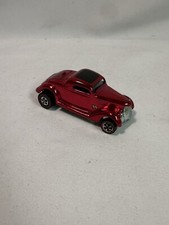
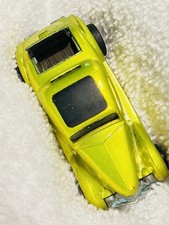
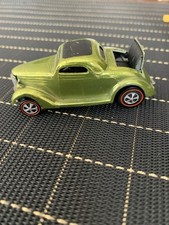
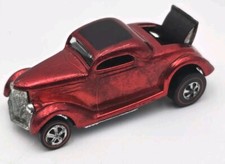
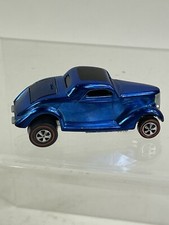
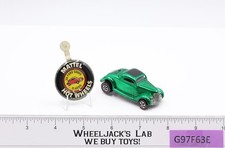
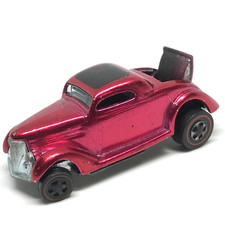
1969 Hot Wheels Redline Classic 36 Ford Coupe Collector Guide
Quick Value Snapshot
| Category |
Collector Notes |
| Model |
Classic '36 Ford Coupe |
| Designer |
Ira Gilford |
| Production Run |
1969-1971 |
| Country of Production |
United States only |
| Wheels |
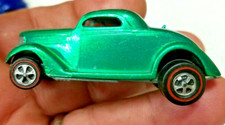
Two medium redline wheels and two small redline wheels |
| Interior Notes |
Black interiors are most common. Light-brown interiors appear occasionally. White interiors are much tougher finds. |
| Key Feature |
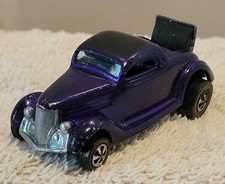
Opening rear rumble seat |
| Pricing Confidence |
Limited without current verified sold-price data. Active asking prices should not be treated as market value. |
Collector Summary
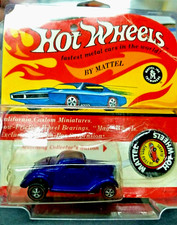
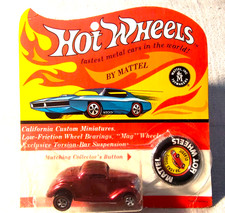
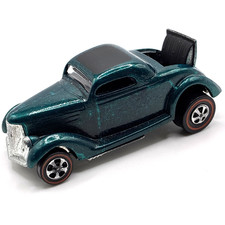
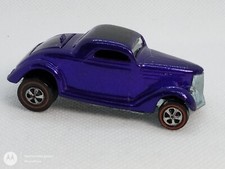
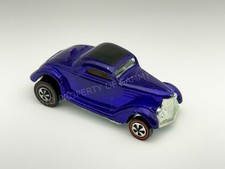
The 1969 Hot Wheels Redline Classic '36 Ford Coupe is a U.S.-made Ira Gilford design produced during the original Redline era from 1969 through 1971. It is a distinctive early Hot Wheels casting, especially because of its opening rumble seat in the rear. For collectors, the car is valued for original paint, correct redline wheels, intact glass, clean interior, and the presence of original parts.
Most examples are found with black interiors. Light-brown interiors are less common, while white interior examples are considered significantly tougher to locate. Because the model was produced over multiple years, condition and originality matter more than the production span alone.
Known Variations and Details
- Casting name: Classic '36 Ford Coupe.
- Designer: Ira Gilford.
- Production: 1969-1971.
- Manufacturing: Produced only in the U.S.
- Interior colors: Most are black; light-brown interiors are occasional; white interiors are tough finds.
- Wheels: Uses a mixed wheel setup with two medium and two small redline wheels.
- Opening feature: Rear rumble seat opens.
- Collector focus: Original paint, original wheels, clean base, intact rumble seat, and undamaged interior are important.
Color and Desirability Notes
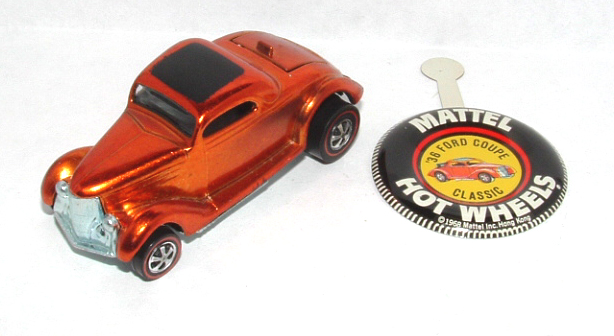
The Classic '36 Ford Coupe was issued in Redline-era Spectraflame finishes. As with other original Redlines, color desirability depends on confirmed originality, shade, overall condition, and how often that combination appears in the collector market.
Interior color is a major desirability point on this casting. Black interiors are the standard reference point. Light-brown interiors can be more desirable when original and paired with a clean body. White interiors are tougher finds and may command stronger interest, especially when the car is otherwise original and in high grade.
Collectors should be careful with color claims. Toning, fading, environmental exposure, polishing, and repainting can all affect how a Spectraflame finish appears. A rare-looking shade should be evaluated under good light and compared with trusted original examples.
Condition Factors That Affect Value
- Original paint: Chips, edge wear, dullness, oxidation, and heavy toning reduce desirability.
- Rumble seat: The opening rear seat should be present, functional, and not forced or broken.
- Interior: Cracks, warping, discoloration, paint residue, or swapped interiors reduce collector confidence.
- Wheels: Correct redline wheels are important. Bent axles, missing chrome, flat spots, and incorrect replacements affect value.
- Base: Heavy tarnish, corrosion, tool marks, and evidence of disassembly should be noted.
- Glass: Scratches, cracks, cloudiness, or melted areas reduce value.
- Originality: Unrestored examples are generally preferred by Redline collectors over repainted or rebuilt cars.
- Packaging: Original blister-carded examples, when genuine and correctly matched, are evaluated separately from loose cars.
Restorer Notes
The Classic '36 Ford Coupe is restorable, but restored cars should always be described as restored. Replacement wheels, reproduction parts, polished bases, new paint, or rebuilt opening parts change the car from an original collectible to a restoration.
For restoration projects, document the starting condition before work begins. Do not represent a restored car as original, even if the restoration is high quality. White interior examples should be handled carefully, since originality of the interior is a major collector factor. Cleaning should be gentle and reversible where possible.
Buyer Cautions
- Do not treat active asking prices as actual market value.
- Confirm that the casting is the Classic '36 Ford Coupe and not a wrong-casting listing.
- Check that the rumble seat is present and works correctly.
- Look for signs of repainting, especially around edges, panel lines, rivets, and the base.
- Inspect the rivets for drilling, glue, or tampering.
- Be cautious with rare interior claims, especially white interiors, unless photos clearly support originality.
- Separate original cars from restorations, customs, wheel swaps, and reproduction-part builds.
- Lots containing multiple cars should not be used as clean single-car pricing examples unless the value of this specific car is clearly supported.
Seller Notes
When selling a Classic '36 Ford Coupe, provide clear photos of the front, rear, both sides, top, base, interior, wheels, and rumble seat. If the interior is light brown or white, include well-lit close-up photos because those variations are important to collectors.
State whether the car is original, restored, repainted, customized, repaired, or assembled from parts. If you are unsure, say so. Accurate condition disclosure usually helps serious buyers trust the listing.
- Identify the interior color clearly.
- Show the rumble seat open and closed if possible.
- Photograph the rivets and base.
- Disclose wheel or axle issues.
- Do not base pricing only on high active asking prices.
Pricing Analysis
No verified current sold-price dataset was supplied for this page, so exact value guidance should be treated with caution. Pricing confidence is limited without recent, comparable sold listings for original examples.
Active asking prices: Active listings can show seller expectations, but they do not prove market value. High asking prices for rare interiors, bright paint, or carded examples may sit unsold and should be separated from actual sale evidence.
Actual sold prices: Sold prices are more useful, but only when the example is comparable. A clean original loose car should not be compared directly with a restored car, a damaged car, a multi-car lot, a reproduction-part build, or a sealed blister-carded example.
Expected value drivers: Originality, condition, color, interior variation, wheel condition, base condition, and rumble-seat integrity all affect price. White interior examples and very high-grade originals may perform above ordinary loose examples. Strong outliers should be reviewed individually rather than used as the standard value for the casting.
Listings to Exclude or Treat Carefully
- Repainted cars listed without clear restoration disclosure.
- Customs, fantasy builds, or modified examples.
- Cars with reproduction wheels, interiors, glass, or other replacement parts.
- Examples with drilled or altered rivets unless sold clearly as restorations or parts cars.
- Damaged cars with broken rumble seats, missing parts, or severe corrosion.
- Multi-car lots where the individual value of the Classic '36 Ford Coupe cannot be isolated.
- Wrong-casting listings using the Classic '36 Ford Coupe name incorrectly.
- Active listings with high asking prices but no confirmed sale.
- Carded examples with questionable packaging or mismatched car and card.
New Collector Advice
For a first example, focus on an original loose car with honest paint, correct redline wheels, a clean base, and a working rumble seat. A common black interior example is a good starting point because it represents the casting well and is easier to verify than tougher interior variations.
Before paying a premium for a white or light-brown interior, compare multiple photos and ask questions about originality. Learn the difference between original wear and signs of restoration. When in doubt, buy the better-condition original car rather than the flashier but questionable one.
Advanced Collector Notes
Advanced collectors will usually focus on interior variation, paint quality, color confirmation, wheel correctness, and untouched originality. White interior examples deserve close inspection, especially at the rivets and around interior contact points. Because the casting has an opening rumble seat, mechanical integrity is also part of the grade.
High-grade examples, unusual interior combinations, and genuine original packaging should be evaluated separately from average loose cars. If a sale appears unusually high or unusually low, examine whether the car was carded, restored, damaged, part of a lot, misidentified, or affected by rare interior claims.
Short Page Blurb
The 1969 Hot Wheels Redline Classic '36 Ford Coupe is a U.S.-made Ira Gilford design produced from 1969 to 1971. It features an opening rear rumble seat, mixed small and medium redline wheels, and interior variations including common black, occasional light brown, and tough white interiors.
Disclaimer
This guide is for collector reference only. Values can change based on condition, originality, color, interior variation, packaging, timing, and buyer demand. Active asking prices are not the same as actual sold prices. Repaints, restorations, customs, damaged cars, reproduction parts, wrong-casting listings, and multi-car lots should not be treated as normal price examples.
 Total results 4